

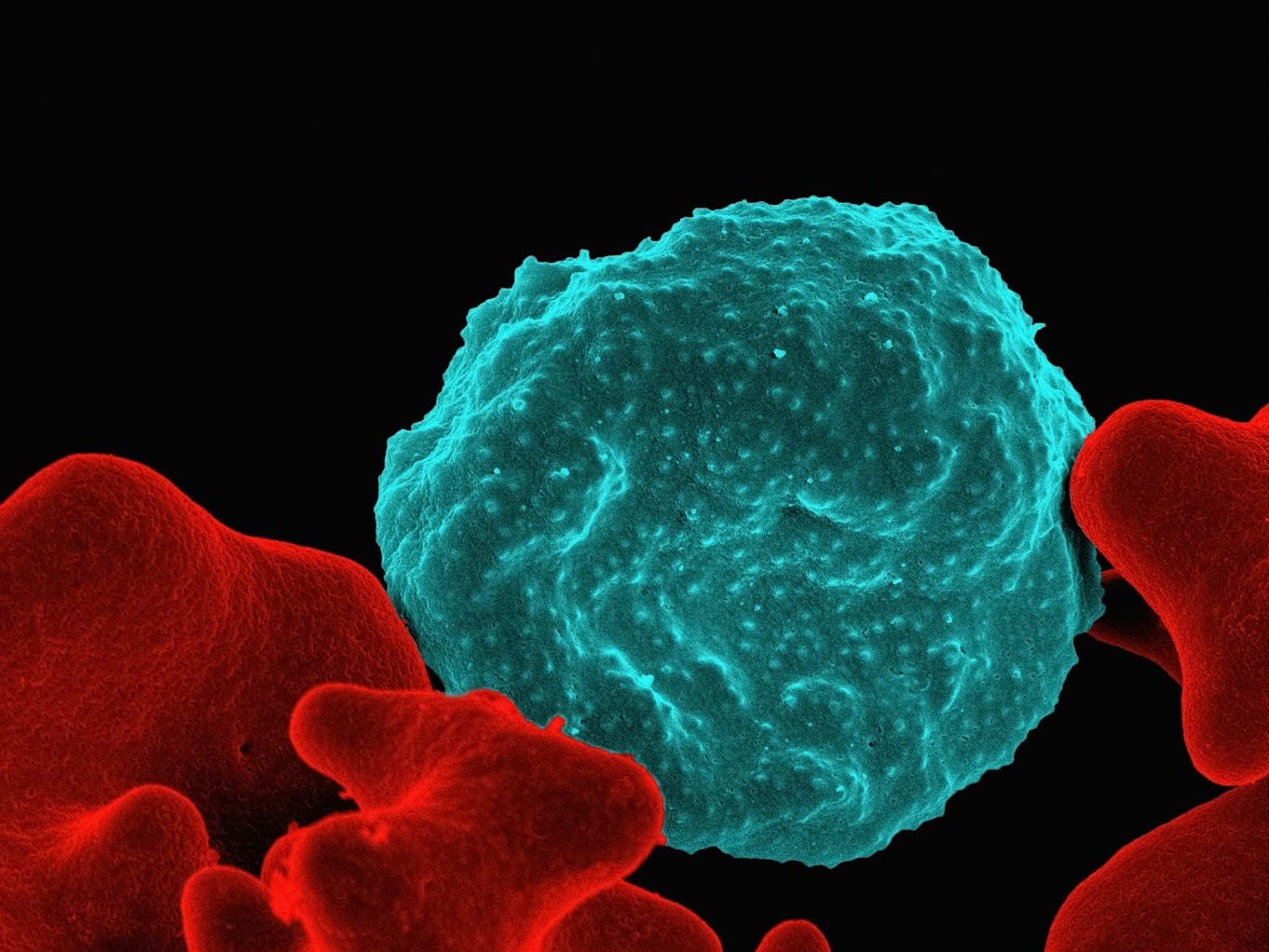
Your body contains cells that should be dead but refuse to die. Scientists call them senescent cells. You might have also heard them referred to as zombie cells because that is exactly what they are: cells that stopped dividing, stopped functioning, but keep hanging around and causing damage. They pump out inflammatory signals that poison the tissue around them. They accelerate aging in every organ they accumulate in. They show up in your joints, your brain, your heart, your lungs, your skin. The older you get, the more of them you have.
The problem has been finding them precisely. Scientists have markers they use to identify senescent cells in lab settings: proteins like p16 and p21, enzyme activity patterns, inflammatory secretions. But none of them provide a single universal, highly specific surface marker suitable for targeting all senescent cells in living tissue. A new Mayo Clinic study may have just changed that.
Researchers at Mayo Clinic published a paper in the journal Aging Cell describing a new approach. A team of graduate students, working across two separate labs, discovered that synthetic DNA molecules called aptamers can selectively attach to proteins on the surface of senescent cells and flag them for identification. They screened more than 100 trillion DNA sequences (the standard library size for this type of screening) to find the rare ones that worked.
One major bottleneck holding back the senolytic field has been the lack of precise ways to identify senescent cells in living tissue. Cracking that opens the door to what comes next.
In the full version you’ll get:
What zombie cells actually do to your biology and why your senescent cell load is probably higher than you think
What the Mayo breakthrough means for the future of targeted senolytic therapy
What you can do right now, today, to start reducing your senescent cell burden before precision targeting arrives
[Subscribe to unlock the full protocol]
